
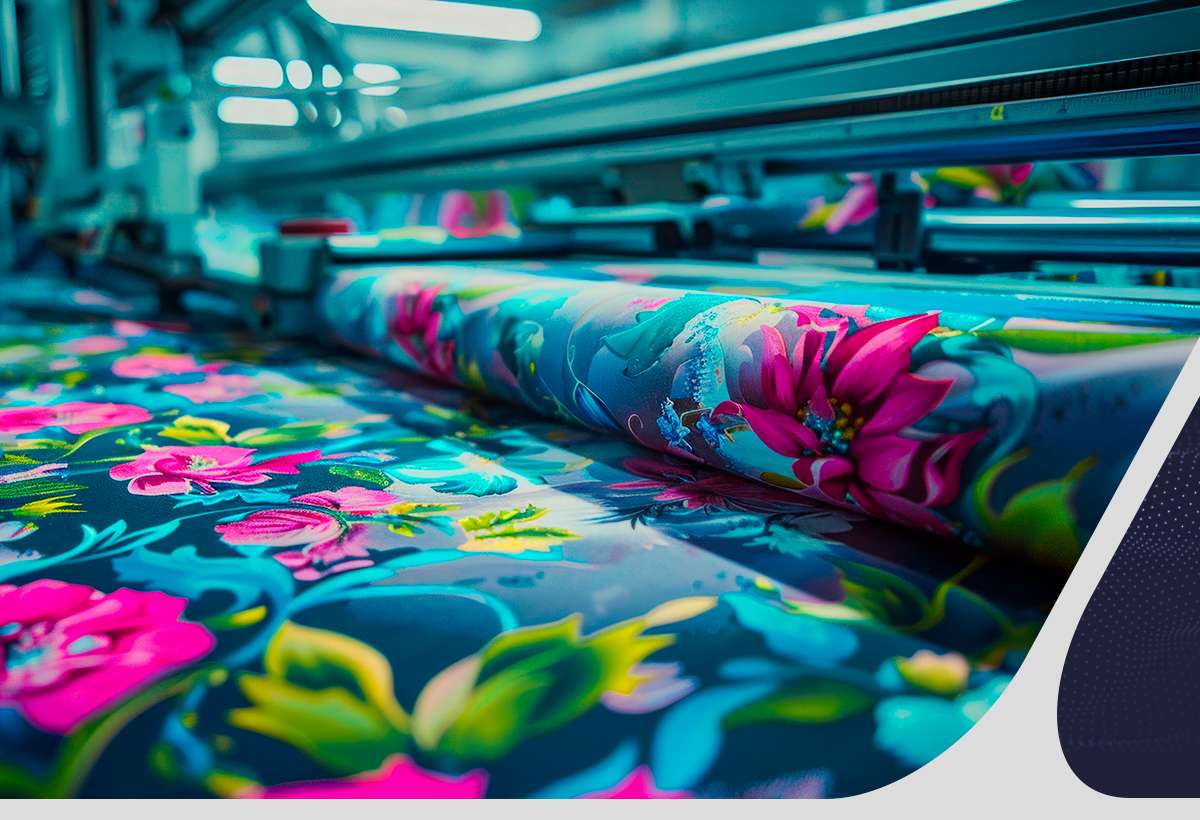
The textile printing industry has changed significantly with the introduction of modern digital technologies. Today, businesses can choose from several printing methods depending on their fabric, design, quantity, budget, and desired finish. Two of the most widely discussed methods are sublimation printing and digital textile printing.
Although both methods use digital artwork and modern printing equipment, they work differently and are suitable for different applications. Understanding the difference between sublimation vs digital printing can help fashion brands, clothing manufacturers, designers, and textile businesses choose the right solution for their products.
What Is Sublimation Printing?
Sublimation printing is a specialized printing process in which dye is transferred onto fabric using heat. The design is first printed onto sublimation transfer paper using specialized inks. Heat and pressure are then used to transfer the design onto the fabric.
During the process, the dye turns into a gas and becomes embedded into the fibers of the material. This creates vibrant, detailed, and long-lasting prints.
Sublimation printing is particularly suitable for polyester and polyester-coated materials.
Key benefits of sublimation printing include:
- Bright and vibrant colours
- Excellent image detail
- Long-lasting prints
- No heavy ink layer on the fabric
- Suitable for sportswear and activewear
- Excellent for all-over designs
- Good resistance to cracking and peeling
- Suitable for customized products
What Is Digital Textile Printing?
Digital textile printing involves printing designs directly onto fabric using specialized inkjet textile printers. Unlike sublimation, digital textile printing can work with a wider range of fabrics, depending on the printer, ink technology, and fabric preparation.
Digital printing can be used for fabrics such as cotton, lawn, silk, viscose, polyester, and various blends.
This makes digital fabric printing an attractive option for fashion brands that want to create customized textile collections.
Major advantages include:
- High-resolution printing
- Detailed patterns and artwork
- Wide colour possibilities
- Custom designs
- Suitable for complex patterns
- Ability to print on different fabrics
- Useful for small and large production runs
- Excellent for fashion and textile applications
Sublimation vs Digital Printing: Main Differences
The biggest difference between the two methods is the way the design becomes part of the fabric.
With sublimation, the dye is transferred into polyester fibers through heat. With direct digital textile printing, specialized inks are printed directly onto the fabric and then treated according to the ink and fabric type.
Here are some important differences:
| Feature | Sublimation Printing | Digital Textile Printing |
|---|---|---|
| Best suited fabric | Polyester | Cotton, lawn, silk, polyester and blends |
| Printing process | Heat transfer | Direct-to-fabric printing |
| Colour quality | Very vibrant | Highly detailed and vibrant |
| Fabric flexibility | More limited | Generally more versatile |
| Common applications | Sportswear, flags, polyester garments | Fashion, lawn, home textiles, apparel |
| Customization | Excellent | Excellent |
| Small batches | Suitable | Suitable |
| Complex artwork | Excellent | Excellent |
Which Printing Method Is Better for Lawn?
For Pakistani fashion businesses, this is an important question because lawn fabric is one of the most popular materials used for summer clothing.
In many cases, direct digital textile printing is more suitable for lawn because lawn is commonly made from cotton or cotton-based materials. Sublimation printing is primarily designed for polyester-based fabrics, so it may not be the ideal solution for traditional cotton lawn.
For businesses producing digitally printed lawn collections, digital textile printing can offer:
- Detailed floral patterns
- Watercolor effects
- Fine borders
- Traditional Pakistani motifs
- Photographic designs
- Multiple colour combinations
- Customized prints
- Premium fashion artwork
This makes digital textile printing particularly useful for Pakistani clothing brands developing seasonal lawn collections.
When Should You Choose Sublimation Printing?
Sublimation printing can be an excellent option when your product is made primarily from polyester.
Consider sublimation if you are producing:
- Sports jerseys
- Athletic clothing
- Polyester T-shirts
- Flags and banners
- Polyester scarves
- Promotional apparel
- Customized polyester garments
- All-over polyester prints
One of the biggest advantages is that the dye becomes integrated with the polyester fibers, helping create a smooth print that does not feel like a thick layer sitting on top of the fabric.
When Should You Choose Digital Textile Printing?
Digital textile printing is generally a better choice when you need flexibility across different types of fabric.
It can be particularly useful for:
- Lawn collections
- Cotton clothing
- Fashion apparel
- Designer fabrics
- Silk garments
- Scarves and dupattas
- Home textiles
- Customized fabric
- Boutique collections
- Short-run fashion production
For designers who frequently experiment with new artwork, digital printing can also reduce the limitations associated with traditional screen-printing processes.
Cost Considerations
Cost is another important factor when comparing sublimation and digital printing.
The final price can depend on several factors, including:
- Fabric type
- Fabric quantity
- Printing area
- Design complexity
- Number of colours
- Printing technology
- Ink requirements
- Fabric preparation
- Finishing requirements
- Order quantity
Sublimation can be cost-effective for polyester products and customized garments, particularly when producing all-over designs. Digital textile printing can be more appropriate when businesses need different fabrics or specialized fashion printing.
Rather than choosing a method based only on price, businesses should consider the total value, quality, durability, and suitability of the printing method for their fabric.
Sublimation vs Digital Printing: Pros and Cons
Sublimation Printing
Pros:
- Vibrant colours
- Excellent image quality
- Long-lasting results
- Smooth fabric feel
- Excellent for polyester
- Great for all-over designs
Cons:
- Primarily suited to polyester
- Less suitable for traditional cotton lawn
- Requires specialized equipment
- Colour results can vary depending on fabric composition
Digital Textile Printing
Pros:
- Works with multiple fabric types
- Excellent for fashion applications
- Supports complex artwork
- Suitable for customized designs
- Excellent for lawn and cotton
- Good for short production runs
- Flexible design options
Cons:
- Printing costs can vary significantly
- Requires proper fabric preparation
- Colour consistency requires professional equipment and expertise
- Different fabrics may require different ink technologies
How to Choose the Right Printing Service Provider
Choosing the correct printing company is just as important as selecting the printing method. A professional textile printer should understand your fabric, artwork, production requirements, and desired final result.
Before placing an order, ask the provider about:
- Available printing technologies
- Fabric compatibility
- Minimum order quantity
- Sample printing
- Colour matching
- Production capacity
- Fabric sourcing
- Finishing options
- Production timeline
- Quality control
It is always recommended to request a sample before starting bulk production. A sample allows you to evaluate colour accuracy, sharpness, fabric feel, print quality, and overall finishing.
Final Verdict: Sublimation or Digital Printing?
There is no single printing method that is best for every product. The right choice depends primarily on your fabric and application.
Choose sublimation printing when you are working with polyester and need vibrant, durable, all-over designs.
Choose digital textile printing when you are working with cotton, lawn, silk, or other fabrics and need detailed, customized fashion prints.
For Pakistani fashion brands, especially those producing digitally printed lawn, direct digital textile printing can be the more versatile option. It provides designers with the freedom to create detailed floral designs, artistic patterns, traditional motifs, modern graphics, and customized collections.
Ultimately, the best printing solution is the one that matches your fabric, design, quantity, budget, and quality requirements. Working with an experienced digital printing service provider can help ensure that your digital artwork is transformed into high-quality fabric suitable for professional fashion production.